A hungry person picks a restaurant on their phone in a few minutes. They search, look at the map, scroll a few photos, check the menu and the hours, and decide. Most of that happens on Google before anyone sees your Instagram or your ad. So the order you fix things in matters more than how much you spend.
This is the order we work in with restaurant owners, from the free fixes that bring the most diners to the paid ones that only work once the rest is in place.
1. Your Google Maps listing
For most restaurants, the Google Business Profile is the most-seen page they have. Get it right before anything else:
- The most specific primary category that is true: "Mexican restaurant", not just "Restaurant".
- Correct hours, including holidays. Wrong hours lose diners and earn angry reviews.
- Recent, bright photos of dishes, the room and the outside, so people recognise the place.
- A link to your menu page and to booking or ordering.
If you're missing from the map results near you, start with why a business isn't in the Google Maps 3-pack.
2. A menu people can read on a phone
The menu is the page diners look for most. A PDF that needs zooming, or a photo of the printed menu, loses people, and Google can't read the dishes inside a picture. Put the menu on a real web page with sections, short descriptions and prices you can change yourself in a minute.
3. One tap to book, order or call
Every page of your site, and your Google listing, should have a clear button for what you want people to do: reserve, order for pickup or delivery, or call. Link to the systems you already use, like OpenTable, Resy, Toast or Square, rather than adding a new one your staff has to learn. If your reservation system works with Google, a reserve button can appear right on your listing.
4. A steady flow of reviews
Diners read reviews before they choose, and Google uses them to decide who to show. Ask happy guests at the right moment, make it one tap, and reply to every review. Our guide on getting more Google reviews has the full routine.
5. A website that does more than look nice
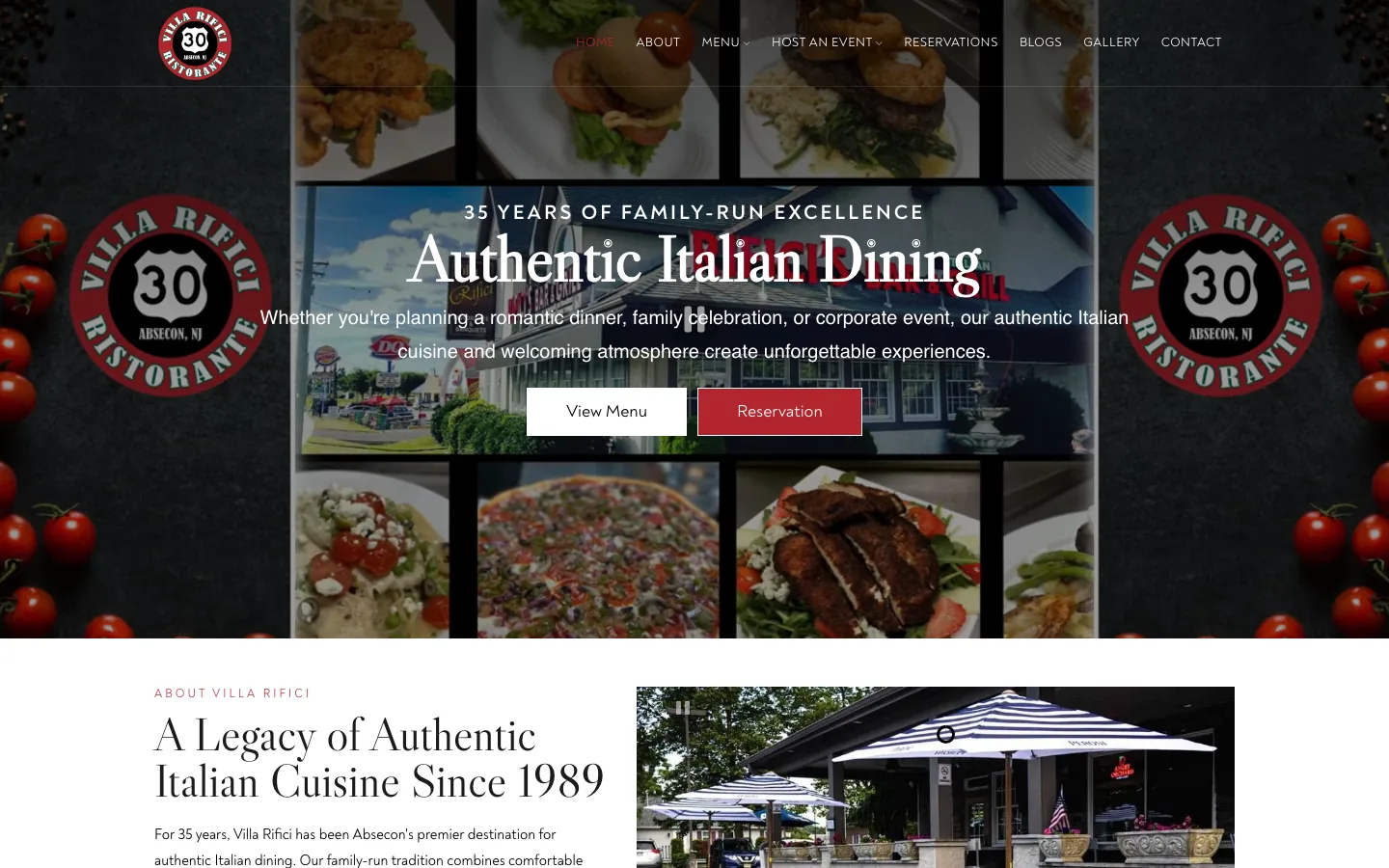
Your site backs up everything above. It should load fast on a phone, show the menu, hours, address and booking on the first screen, and have a page for each thing people search for that you really offer, like private events, catering or brunch. We cover this in detail in what a restaurant website needs.
6. Social media that shows the room
Instagram and TikTok are where people decide a place looks fun. Short clips of the food being made, the room on a busy night and the people behind the counter do more than polished flyers. Post on a schedule you can keep, and make sure your bio links to the menu and booking.
7. Paid ads, last
Ads work best when they have something to send people to: a full listing, a readable menu and an easy booking button. Use them for specific goals, like filling slow weeknights, promoting a new brunch, or private event bookings, and check which ads actually bring reservations or orders.
Keep the old regulars coming back
New diners cost more to win than old ones cost to keep. A simple email or text list, collected with permission through online orders, reservations or a QR code at the table, lets you tell regulars about new dishes, events and holidays. A few messages a month is plenty.
See how we work with restaurants on our restaurant page, with real sites we've built for restaurant owners.